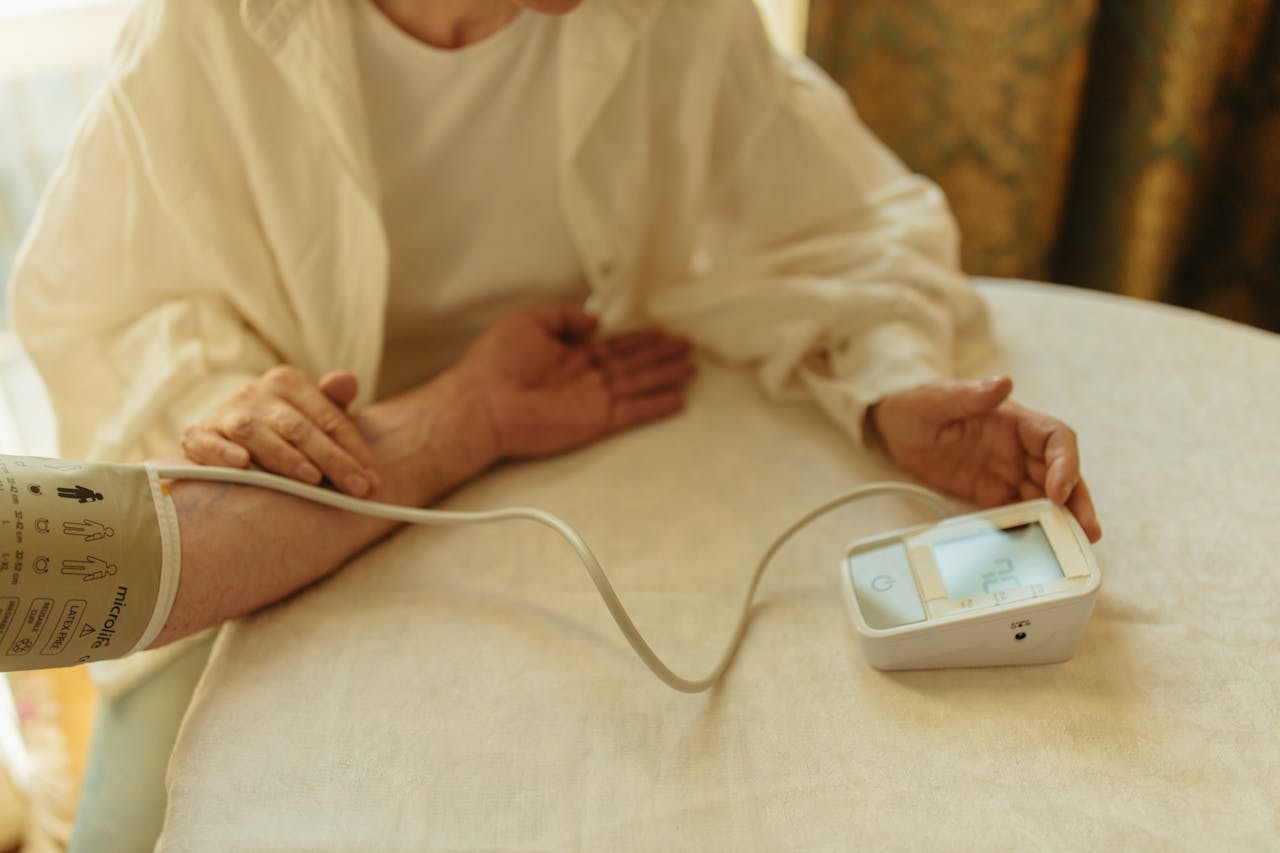
Expatriates Guide to Health Services in Germany
Moving to Germany from your country is certainly a big step. Taking care of your health while in Germany is another critical matter.
Foreigners and immigrants from many countries go to Germany for work, visit or study. They come from Kenya, Nigeria, Ghana, South Africa, Ethiopia, etc.
Regardless of your origin, one of the first things you will need to understand is how healthcare and emergency services work in Germany. Good health is everything.
In the unfortunate event that you get sick and do not know how the system works, it can feel very confusing and stressful.
The good news is that Germany has one of the best healthcare systems in the world. It is well-organized, affordable, and covers almost everything you need.
This guide is written specifically for African expatriates living in or moving to Germany. We will explain how the system works, what kind of insurance you need, how to find a doctor, what to do in an emergency, and more.
If you are a student, a worker, a job seeker, or someone who recently got a residence permit or travel visa, this guide will help you understand what you need to do to access healthcare in Germany.
You will never be happy if you continue to search for what happiness consists of. You will never live if you are looking for the meaning of life.Albert Camus
1. How Does the German Healthcare System Work?
Germany uses a system called the Bismarck Model. This means that healthcare is funded by contributions from both employers and employees. Almost everyone who lives and works in Germany must have health insurance. This is not optional – it is required by law.
There are two main types of health insurance in Germany:
- Statutory Health Insurance (Gesetzliche Krankenversicherung – GKV)
- Private Health Insurance (Private Krankenversicherung – PKV)
Most people in Germany, including most expatriates, use statutory health insurance. It is managed by non-profit companies called health insurance funds (Krankenkassen). There are over 100 of these funds in Germany, and some of the most well-known include TK (Techniker Krankenkasse), AOK, Barmer, and DAK.
For more details on how the system works, you can visit the official German government page: www.bundesgesundheitsministerium.de
2. Do You Need Health Insurance in Germany?
Yes. Having health insurance in Germany is a legal requirement. If you are employed, your employer will automatically register you with a health insurance fund and deduct your contributions from your salary. If you are a student, self-employed, or a freelancer, you will need to register yourself.
2.1 What Happens If You Do Not Have Insurance?
If you do not have health insurance in Germany, you can face serious problems. Hospitals and doctors may refuse to treat you for non-emergency situations. You may also face legal and financial problems when applying for a visa renewal or residence permit. German immigration authorities will ask for proof of health insurance coverage.
2.2 How Much Does It Cost?
For statutory health insurance, the cost is about 14.6% of your gross monthly income. This is split between you and your employer. In 2024, the maximum monthly contribution was capped at around €880 per month. For lower incomes, the contribution is much less. Students pay a reduced rate of about €120 per month.
Your family members (spouse and children) can also be covered under your statutory health insurance at no extra cost, if they do not have their own income. This is called family insurance (Familienversicherung) and is a very useful benefit for many African expats who bring their families to Germany.
Learn more about statutory insurance contributions at: GKV-Spitzenverband (National Association of Statutory Health Insurance Funds)
3. How to Get Health Insurance as an African Expat in Germany
3.1 If You Are Employed
If you have a work contract in Germany, your employer will handle your health insurance registration. You will be asked to choose a health insurance fund. You can pick any statutory fund you like. Your employer will register you and start deducting contributions from your monthly salary.
3.2 If You Are a Student
International students in Germany must have health insurance to enroll at a university. Students under 30 can join a statutory health insurance fund at a reduced student rate. Some of the most popular funds for students include TK (Techniker Krankenkasse) and AOK. You can apply online or visit their offices with your university enrollment documents.
TK – Techniker Krankenkasse offers English-language services and is popular among expats: www.tk.de/en
3.3 If You Are Self-Employed or a Freelancer
If you work as a freelancer (Freiberufler) or run your own business (Gewerbetreibender), you need to organize your own health insurance. You can choose statutory or private insurance depending on your income. Many self-employed people who earn less than €69,300 per year stay in the statutory system. Those who earn more may switch to private insurance.
3.4 If You Are a Job Seeker or Receiving Benefits
If you are registered with the German Employment Agency (Bundesagentur für Arbeit) and receiving unemployment benefits, health insurance is usually covered for you automatically. If you are receiving social assistance (Sozialhilfe), the social welfare office will also arrange your health insurance.
4. Finding a Doctor in Germany (Your Hausarzt)
In Germany, the first person you visit when you are sick is your general practitioner (Allgemeinarzt or Hausarzt). This is your family doctor. You do not need an appointment with a specialist first. Your Hausarzt can treat you for most common illnesses and refer you to a specialist if needed.
4.1 How to Find a Hausarzt
You can find a doctor near you using the following steps:
- Use the doctor search tool on your health insurance fund’s website.
- Visit the Kassenärztliche Bundesvereinigung (KBV) website, which has a national doctor search.
- Ask your neighbors, colleagues, or African community groups for recommendations.
- Use Google Maps to search for ‘Arzt’ or ‘Hausarzt’ near your address.
You can search for doctors using the official doctor finder at: www.arztsuche.kbv.de
4.2 Booking an Appointment
Most German doctors work by appointment (Termin). You can call the clinic, use their website, or use apps like Doctolib or Jameda to book. Some clinics also accept walk-in patients, especially in the morning (Sprechstunde). When you visit for the first time, bring your health insurance card (Gesundheitskarte), which you will receive from your health insurance fund after registering.
4.3 The Language Barrier
This is one of the biggest challenges for many African expats. Many German doctors do not speak English fluently, especially in smaller towns and rural areas. Here are some ways to manage:
- Look for doctors who speak English. Many clinics in big cities like Berlin, Munich, Frankfurt, Hamburg, and Cologne have doctors who speak English.
- Bring a German-speaking friend or colleague to help translate.
- Use translation apps like Google Translate on your phone.
- Some health insurance funds like TK offer telephone translation services for free.
For English-speaking doctors in Germany, check: www.expatica.com/de/healthcare/healthcare-basics/doctors-in-germany-107418/
5. Hospitals and Emergency Care in Germany
5.1 Going to a Hospital
In Germany, hospitals (Krankenhäuser) are generally only visited for serious or emergency cases. For regular illnesses, you should go to your Hausarzt first. If you need to go to a hospital, your Hausarzt will give you a referral. Some specialists also work in hospitals.
5.2 What to Do in an Emergency
Germany has a very efficient emergency system. Here are the main numbers you need to know:
🚨 Emergency Numbers in Germany 112 – Emergency services (fire, ambulance, medical emergency) – Free call 110 – Police 116 117 – Medical on-call service (non-emergency, after hours doctor) These numbers work from any phone, including without a SIM card. |
If you call 112 for an ambulance, you will be taken to the nearest hospital. The costs for emergency treatment are covered by your health insurance. Always carry your health insurance card with you.
The number 116 117 is very useful for African expats to know. If you feel sick at night, on weekends, or during public holidays when your Hausarzt is closed, you can call this number and be directed to an on-call doctor (Bereitschaftsdienst) near you.
5.3 Pharmacies (Apotheken)
Germany has many pharmacies called Apotheken. You can recognize them by the red ‘A’ sign outside. Pharmacists in Germany are highly trained and can give you good advice for minor health problems. Many medications require a doctor’s prescription (Rezept), but pharmacists can recommend over-the-counter medicines for colds, headaches, or minor injuries.
There are also night pharmacies (Notapotheke) that stay open 24 hours. You can find the nearest one at:
www.aponet.de – Night Pharmacy Finder
6. Mental Health Services in Germany
Mental health is an important topic that is often not talked about in African communities. Moving to a new country, dealing with culture shock, language barriers, loneliness, racism, and work stress can have a big impact on your mental health.
Germany has many mental health services available, including:
- Psychiatrists (Psychiater) – Medical doctors who specialize in mental health.
- Psychotherapists (Psychotherapeuten) – Therapists who offer talk therapy.
- Counseling centers (Beratungsstellen) – Many are free and do not require a referral.
Mental health services are covered by statutory health insurance in Germany, but waiting times for appointments can be long – sometimes several months. If you are in crisis, do not wait. You can call the Telefonseelsorge (crisis helpline) at:
💡 Mental Health Crisis Helpline Telefonseelsorge: 0800 111 0 111 or 0800 111 0 222 Free of charge, available 24 hours a day, 7 days a week. English-speaking counselors are available at some hotlines. |
For more information on mental health resources in Germany: www.therapie.de (German, with English resources available)
7. Maternity and Child Healthcare in Germany
Germany provides very good support for pregnant women and young families. If you are pregnant, you will receive a Mutterpass (maternity passport), which records all your pregnancy check-ups. These check-ups are fully covered by health insurance.
Some key benefits for families in Germany include:
- Elterngeld (parental leave pay) – financial support after the birth of a child
- Kindergeld (child benefit) – monthly payments for children
- Free vaccinations for children (covered by health insurance)
- Regular health check-ups for children from birth to age 6 called U-Untersuchungen
Learn more about family support in Germany at: www.bmfsfj.de (Federal Ministry for Family Affairs)
8. Dental and Eye Care in Germany
8.1 Dental Care
Basic dental care is covered by statutory health insurance in Germany. This includes check-ups twice a year, fillings, and tooth extractions. However, more expensive treatments like crowns, implants, or braces are only partially covered. You will often need to pay a co-payment (Eigenanteil) for these services.
It is a good habit to visit a dentist twice a year. If you do regular check-ups for several years, your insurance may pay up to 70% of the cost for bigger treatments. Always ask for a cost estimate (Heil- und Kostenplan) before starting expensive dental work.
8.2 Eye Care
Statutory health insurance covers eye check-ups for children and adults with serious vision problems. For standard glasses or contact lenses, you usually need to pay yourself. However, if you have a serious eye condition, your insurance may cover part or all of the cost. If you need glasses, you can also get them from discounted opticians like Fielmann, which is very popular in Germany.
9. Health Insurance for Asylum Seekers and Refugees
Many African expats in Germany may be in the asylum process. If you are an asylum seeker, healthcare in Germany is covered under the Asylum Seekers’ Benefits Act (Asylbewerberleistungsgesetz – AsylbLG). This provides limited but important healthcare coverage.
Under this law, asylum seekers can receive treatment for:
- Acute illnesses and pain
- Vaccinations
- Maternity care
- Dental emergencies
After 18 months of living in Germany, asylum seekers may receive the same healthcare benefits as other residents. In some German states (Bundesländer), a special electronic health card for asylum seekers has been introduced, which makes accessing healthcare easier.
For support and information as an asylum seeker, visit: www.asyl.net (Asylum Info)
10. Useful Tips for African Expats Navigating German Healthcare
Here are some practical tips that many African expats in Germany have found helpful:
- Always carry your health insurance card (Gesundheitskarte) when you leave the house.
- Register with a Hausarzt as soon as you arrive in Germany – do not wait until you are sick.
- Save emergency numbers (112, 110, 116 117) on your phone.
- Learn a few basic German health words: Schmerzen = pain, Fieber = fever, Kopfschmerzen = headache, Bauchschmerzen = stomach ache.
- Join African community groups in your city – they often share recommendations for English-speaking doctors.
- Do not skip your annual check-up (Vorsorgeuntersuchung) – it is free and can catch health problems early.
- If you need a specialist, get a referral from your Hausarzt to avoid paying extra costs.
- Keep all your medical documents organized in a folder – you may need them when changing doctors or moving to a new city.
11. Key Resources and Useful Links
Here is a list of helpful websites for African expats seeking healthcare information in Germany:
- German Federal Ministry of Health (English) – https://www.bundesgesundheitsministerium.de/en/health-insurance.html
- Techniker Krankenkasse (TK) – English services – https://www.tk.de/en
- AOK Health Insurance – https://en.aok.de/
- National Doctor Finder (KBV) – https://arztsuche.kbv.de/
- Night Pharmacy Finder (Aponet) – https://www.aponet.de/service/notdienstapotheke-finden
- Expatica – Healthcare in Germany Guide – https://www.expatica.com/de/healthcare/
- Make-it-in-Germany (Official immigration portal) – https://www.make-it-in-germany.com/en/living-in-germany/healthcare
At kenyan-german-links.com, we are committed to helping Africans in Germany and beyond navigate life in Germany with confidence and clarity. If you found this article helpful, share it with a fellow African expat who might need it.
Disclaimer: This article is for informational purposes only. It does not constitute legal or medical advice. Always consult with a qualified healthcare professional or legal advisor for personal guidance.