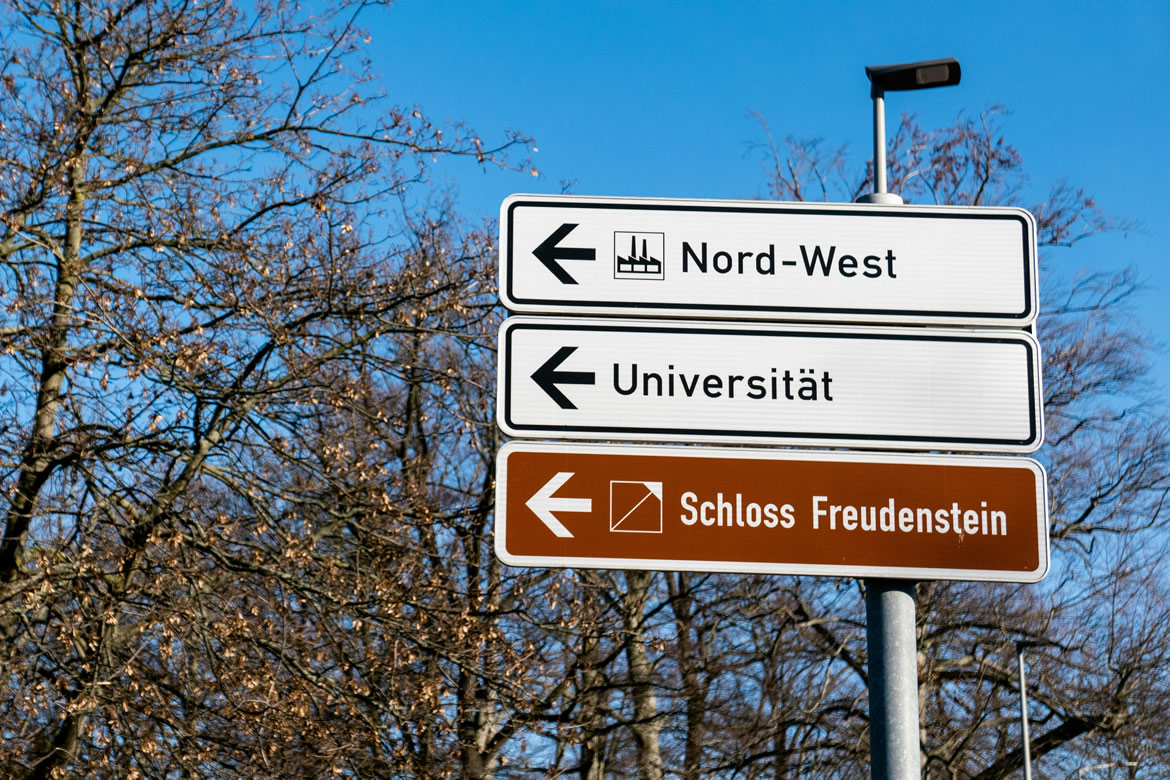
Why Germany Is a Top Choice for Kenyan Students
Every year, thousands of people – mostly students from Africa travel to Germany to study, and Kenyans are among the most enthusiastic.
Why?
Because Germany offers some of the best universities in the world, very low or near- zero tuition fees, and a strong job market once you graduate.
For a Kenyan student dreaming of a world-class education without the burden of enormous student debt, Germany is one of the smartest choices you can make.
Germany is home to more than 400 universities and higher education institutions. Many of these schools rank among the top universities globally. German degrees are recognized all over the world, and the country is a global leader in engineering, technology, medicine, business, and the sciences.
Go confidently in the direction of your dreams! Live the life you’ve imagined.Henry David Thoreau
This guide is written specifically for Kenyan students who want to understand what studying in Germany really looks like — from finding the right university, to applying, to getting a visa, to managing life when you arrive. Whether you are looking for an undergraduate degree, a master’s programme, or a vocational qualification, this guide covers it all.
Quick Fact According to the German Academic Exchange Service (DAAD), there are over 45,000 African students studying in Germany. Kenya consistently ranks among the top African countries sending students to Germany. (Source: daad.de) |
1: The German Higher Education System — What You Need to Know
Types of Universities in Germany
Germany has three main types of higher education institutions, and understanding them helps you choose the right path.
- Universities (Universität): These are research-focused institutions offering bachelor’s, master’s, and doctoral degrees. They are ideal if you want to go deep into academic research or pursue a PhD.
- Universities of Applied Sciences (Fachhochschule / HAW): These schools focus on practical, career-ready education. They are excellent for fields like engineering, business, social work, and design. Many Kenyan students prefer these because they combine theory with real work experience.
- Technical Universities (Technische Universität): These are specialized research universities focusing on engineering, natural sciences, and technology. Germany’s TU Munich and TU Berlin are world-famous.
Public vs. Private Universities
Most German public universities charge no tuition fees at all — even for international students. This is one of Germany’s greatest advantages. You only pay a small semester fee (usually between €150 and €350), which often includes a public transport ticket.
Private universities do charge fees, but they may offer more flexible programmes or English-taught courses. Always confirm the fee structure before applying.
Academic Calendar
German universities have two main semesters. The winter semester runs from October to March, and the summer semester runs from April to September. Most programmes start in the winter semester, so October is the most common intake for international students.
2: Popular Fields of Study for Kenyan Students
Engineering and Technology
Germany is the birthplace of companies like Volkswagen, Siemens, BMW, and Bosch. It should be no surprise then that engineering programmes in Germany are among the world’s best. Mechanical engineering, electrical engineering, civil engineering, and computer science are particularly popular among Kenyan students.
German engineering degrees are globally respected, and graduates often receive job offers before they even finish their studies.
Business and Economics
International business, economics, finance, and management programmes attract many Kenyan students. Germany’s economy is the largest in Europe, making it an ideal place to study business. Many programmes are offered in English, making them accessible even if your German is still developing.
Medicine and Health Sciences
Medical degrees in Germany are highly regarded. However, medicine programmes are mostly taught in German, so a strong command of the German language is essential. Nursing, pharmacy, and public health are also popular and more accessible in terms of language requirements.
Vocational Training (Ausbildung)
Not all education in Germany is at the university level. Germany has a world-famous dual vocational training system called Ausbildung. In this system, you combine practical on-the-job training with classroom lessons. You earn a salary while you train. Programmes last two to three years and cover areas such as IT, healthcare, automotive, hospitality, and manufacturing.
This pathway is increasingly popular for Kenyan students who want to enter the German workforce quickly and practically. The German government actively recruits skilled workers through this route.
Useful Resource Visit the Make it in Germany portal (make-it-in-germany.com) for official information on vocational training, job opportunities, and immigration pathways for skilled workers from non-EU countries including Kenya. |
3: Language Requirements — German and English
Do You Need to Speak German?
The honest answer is: it depends on your programme. If you want to study in a German-taught programme, you will need to demonstrate German language proficiency. The most common tests accepted are the TestDaF and the DSH exam. A level of at least B2 on the Common European Framework (CEFR) is typically required, though many master’s programmes require C1.
If you plan to study in an English-taught programme, you will need proof of English proficiency. Most universities accept IELTS (usually a score of 6.0 to 7.0) or TOEFL iBT (usually 80 to 100).
How to Learn German in Kenya
Kenya has excellent resources for learning German. The Goethe-Institut in Nairobi offers structured German language courses from absolute beginner to advanced levels. Their internationally recognized certificates (Goethe-Zertifikat) are accepted by German universities. You can find more details on their website at
You can find more details at goethe.de/nairobi.
Online platforms such as Duolingo, Babbel, and Deutsche Welle’s free learning platform (dw.com/en/learn-german) are also widely used by Kenyan students preparing for German study.
4: Admission Requirements for Kenyan Students
Is Your Kenyan Certificate Recognized?
Kenya Certificate of Secondary Education (KCSE) is the standard school leaving qualification in Kenya. German universities use a central database called anabin to assess whether foreign qualifications meet German admission standards. Kenyan students with strong KCSE results may be eligible for direct entry into some programmes, but many universities require an additional qualification.
The most common route for Kenyan students is to complete a foundation year (Studienkolleg) in Germany before entering a full degree programme. Alternatively, if you have completed at least one year of university studies in Kenya, you may qualify for direct admission to some universities.
Check Anabin You can check the status of your qualifications on the official Anabin database at: anabin.kmk.org — this is the official German recognition database for foreign educational qualifications. |
Studienkolleg — The Foundation Year
A Studienkolleg is a one-year preparatory college specifically designed for international students whose home qualifications do not directly meet German university entry requirements. After successfully completing the Studienkolleg and passing the Feststellungsprüfung (assessment examination), you are qualified to enter a German university.
Most Studienkolleg programmes are free of charge or very affordable. Some are attached to universities, and others are independent. You can apply through the uni-assist portal or directly through individual universities.
Applying Through uni-assist
Many German universities use a central application portal called uni-assist to process applications from international students. Through this portal, your documents are checked for completeness and authenticity. You then receive an assessment that universities use to make their admission decisions.
Visit uni-assist at uni-assist.de to start your application process.
5: Scholarships and Financial Support
DAAD Scholarships
The German Academic Exchange Service (DAAD) is the largest German scholarship organisation in the world. It offers a wide range of scholarships specifically designed for students from developing countries, including Kenya. DAAD scholarships cover tuition, monthly living allowance, travel costs, and health insurance.
Kenyan students can browse available scholarships at daad.de/scholarships.
Kenyan Government Scholarships
The Kenya Government, through the Ministry of Education, periodically offers bilateral scholarship programmes for Kenyan students to study abroad, including in Germany. Students are advised to regularly check the Ministry of Education website and their university notice boards for such opportunities.
University-Specific Scholarships
Many German universities offer their own scholarships for international students. These are often merit-based and are available through the university’s international office (Akademisches Auslandsamt). When you apply to a university, always ask about internal funding opportunities.
Deutschlandstipendium
The Deutschlandstipendium is a national scholarship programme in Germany offering €300 per month to talented students regardless of nationality. It is co-funded by the German government and private sponsors. Kenyan students enrolled in German universities are eligible to apply.
More information is available at deutschlandstipendium.de.
6: The German Student Visa — Step by Step
Which Visa Do You Need?
As a Kenyan national, you need a student visa (Visum zu Studienzwecken) to study in Germany. There are two stages: first, you apply for a student applicant visa if you are still waiting for final admission, or a student visa once you have your admission letter.
Key Documents Required
- Valid Kenyan passport (valid for at least six months beyond your intended stay)
- University admission letter or confirmation of Studienkolleg placement
- Proof of financial resources (blocked account with at least €11,208 for one year, as of 2024)
- Proof of German language skills (for German-taught programmes) or English proficiency
- Health insurance certificate valid in Germany
- Biometric passport photographs
- Completed visa application form
- Proof of accommodation in Germany (or a letter confirming you are searching)
The Blocked Account (Sperrkonto)
One of the most important financial requirements is the blocked account (Sperrkonto). This is a special German bank account where you deposit the required amount of money to prove you can support yourself. You can access a fixed monthly amount once you are in Germany.
Popular providers for Kenyans include Deutsche Bank, Fintiba, and Expatrio. Fintiba and Expatrio operate fully online and are very popular with African students.
Learn more about the Fintiba blocked account at fintiba.com and about Expatrio at expatrio.com.
Where to Apply for Your Visa in Kenya
The German Embassy in Nairobi handles student visa applications for Kenya. Appointments are booked online via their official website. Processing times can take several weeks, so always apply early — at least three months before your programme starts.
Visit the German Embassy Nairobi website at nairobi.diplo.de for the latest requirements and appointment booking.
7: Life in Germany as a Kenyan Student
Cost of Living
Germany is more affordable than the UK, USA, or Australia. On average, students spend between €800 and €1,200 per month, depending on the city. This covers rent, food, transport, health insurance, and leisure. Cities like Munich and Hamburg are more expensive, while Leipzig, Magdeburg, or Halle are much more affordable.
Student Housing
Most university cities in Germany have student housing managed by the Studentenwerk (student services organisation). These are significantly cheaper than private rentals. Apply for Studentenwerk housing as soon as you receive your admission — places fill up fast. Private platforms like WG-Gesucht (wg-gesucht.de) and Immobilienscout24 are also useful for finding shared apartments.
Health Insurance
Health insurance is mandatory for all students in Germany. Students under 30 years old are eligible for affordable statutory health insurance (gesetzliche Krankenversicherung) through providers like TK (Techniker Krankenkasse) or AOK. The monthly cost is approximately €110 to €130.
Working While Studying
As an international student in Germany, you are allowed to work 120 full days or 240 half days per year without a work permit. Many Kenyan students work part-time in supermarkets, restaurants, delivery services, or on campus to supplement their living expenses.
The Kenyan Community in Germany
Germany has a growing Kenyan diaspora. Cities like Berlin, Frankfurt, Hamburg, and Munich have active Kenyan community groups, churches, and social networks. Connecting with fellow Kenyans can help you settle in faster, find accommodation leads, and navigate the German system with insider knowledge.
8: After You Graduate — Working and Staying in Germany
The 18-Month Job-Seeker Visa
Germany offers a generous post-study work permit. After graduating, you can apply for an 18-month job-seeker visa. This gives you time to find employment related to your field of study. You do not need a job offer before applying for this visa — you simply need to have graduated from a German institution.
The Skilled Immigration Act
Germany introduced the Fachkräfteeinwanderungsgesetz (Skilled Immigration Act) to attract qualified workers from outside the EU. Kenyan graduates who find work in Germany can apply for a work visa, and with enough time and contributions to the social system, you become eligible for permanent residency.
The Blue Card EU
The EU Blue Card is one of the most desirable immigration options for highly qualified non-EU graduates. If you earn above a certain salary threshold (approximately €43,800 per year in most fields or €39,682 in shortage occupations as of 2024), you qualify for an EU Blue Card. This card gives you residency rights across the EU and a faster pathway to permanent residency.
9: Key Resources and Useful Links
Below is a summary of the most important resources for Kenyan students planning to study in Germany:
- DAAD (German Academic Exchange Service): https://www.daad.de — Scholarships, programme finder, and Germany study guide
- Goethe-Institut Nairobi: https://www.goethe.de/ins/ke/en/index.html — German language courses and cultural events
- uni-assist: https://www.uni-assist.de — Central application portal for international students
- Anabin Database: https://anabin.kmk.org — Check if your Kenyan qualification is recognized
- German Embassy Nairobi: https://nairobi.diplo.de — Visa applications and appointments
- Make it in Germany: https://www.make-it-in-germany.com — Vocational training and skilled worker immigration
- Fintiba (Blocked Account): https://www.fintiba.com — Open a German blocked account online
- Expatrio (Blocked Account): https://www.expatrio.com — Alternative provider for blocked accounts
- Deutschlandstipendium: https://www.deutschlandstipendium.de — National scholarship programme
- Deutsche Welle German Courses: https://www.dw.com/en/learn-german — Free German language learning
- WG-Gesucht (Housing): https://www.wg-gesucht.de — Find shared apartments in Germany
Your Journey to Germany Starts Today
Germany is genuinely one of the best countries in the world for international students. The combination of world-class education, affordable or zero tuition fees, a strong job market, and a pathway to long-term residency makes it a destination that is difficult to beat — especially for ambitious Kenyan students who are ready to invest in their future.
The process can feel overwhelming at first. There is the language barrier, the visa application, the financial proof requirements, and the unfamiliar education system. But with proper planning and the right information, every one of these challenges is manageable.
Start with your language preparation. Register at the Goethe-Institut in Nairobi. Research programmes on the DAAD portal. Check your qualifications on the anabin database. Apply for a scholarship. Open a blocked account. And book your visa appointment early.
Thousands of Kenyan students have walked this path before you. They are now working as engineers in Stuttgart, doctors in Hamburg, IT specialists in Berlin, and entrepreneurs in Munich. Germany changed their lives — and it can change yours too.
Kenyan-German Links is here to support you every step of the way. Bookmark this guide, share it with a friend who is also dreaming of studying abroad, and keep checking back for the latest updates on scholarships, visa requirements, and life in Germany.
About Kenyan-German Links Kenyan-German Links (kenyan-german-links.com) is a resource platform dedicated to building bridges between Kenya and Germany — covering education, career opportunities, culture, and community. Our mission is to provide accurate, practical, and up-to-date information for Kenyans interested in Germany and Germans with ties to Kenya. |