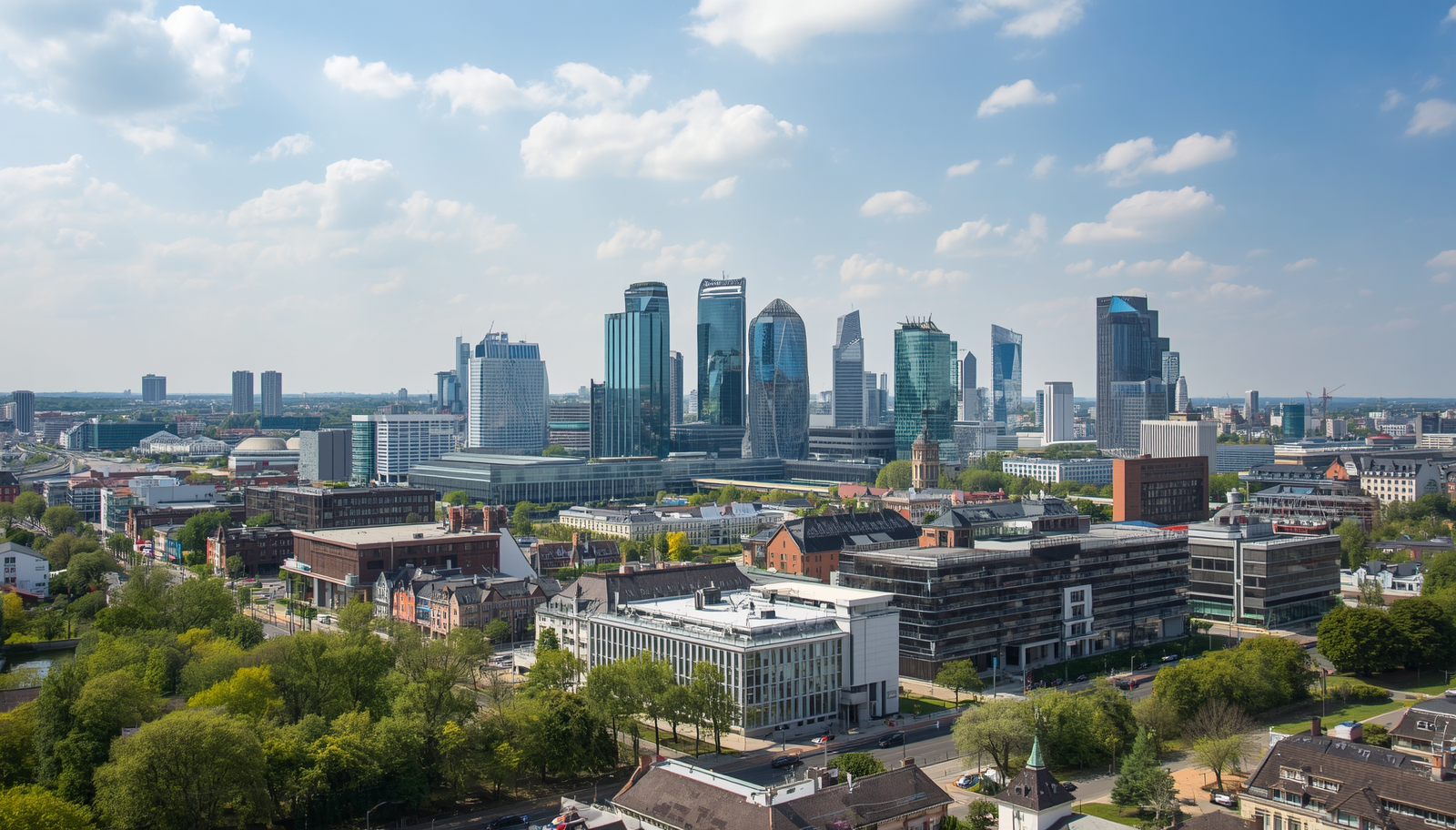
Are you thinking about moving to Germany for work? You are not alone. Every year, thousands of Kenyans and other Africans make the journey to Germany in search of better job opportunities, higher salaries, and a good quality of life. Germany has one of the strongest economies in the world. It is the largest economy in Europe and the fourth-largest in the world according to the World Bank. With an unemployment rate of just around 3–5%, the job market is active and welcoming to skilled workers from abroad.
But Germany is a big country with many different cities. Each city has its own industries, job types, salaries, and lifestyle. So the big question is: which city is the right one for you?
In this guide, we walk you through the best cities in Germany for jobs. We cover what industries are hiring, how much you can earn, and what life is like in each city.
Why is Germany a Top Destination for Job Seekers
Before we look at the websites, it helps to understand why Germany needs workers from abroad. Germany has an aging population. Many German workers are retiring, and there are not enough young Germans to fill all the open jobs. This is a big problem for German businesses.
To solve this, Germany has opened its doors to skilled workers from outside Europe. In 2020, Germany passed the Skilled Immigration Act (Fachkraefteeinwanderungsgesetz). This law makes it easier for people with recognized qualifications to move to Germany and work.
In 2024 and 2025, Germany expanded this law even further. Now, workers in healthcare, IT, engineering, construction, hospitality, and many other sectors can apply for work visas more easily than before.
Kenya has many well-trained professionals. Kenyan nurses, engineers, teachers, and IT specialists are respected worldwide. Germany sees Kenya as a source of quality talent. This is why there are even special bilateral agreements and programs between Kenya and Germany to support worker migration.
Before we look at specific cities, let us understand why Germany stands out as a great place to work.
- Germany has a strong, stable economy built on industry, technology, and exports.
- There is a serious shortage of skilled workers in many sectors — which means more chances for foreigners.
- German law protects workers very well. You get paid leave, health insurance, and job security.
- Germany actively invites skilled workers through the Skilled Immigration Act (Fachkräfteeinwanderungsgesetz), which makes it easier for non-EU citizens to get work visas.
- Many international companies in Germany operate in English, especially in tech and finance.
According to Life in Germany, the healthcare sector alone employs more than 7 million people, and the IT sector is expected to grow by 2.1% annually. Sectors like green energy, logistics, and engineering are also growing fast.
Quick Overview: Best German Cities for Jobs at a Glance
The table below gives you a fast summary before we dive into the details of each city.
| CITY | KEY INDUSTRIES | AVERAGE ANNUAL SALARY | COST OF LIVING |
|---|---|---|---|
| Berlin | Tech, Startups, Energy | ~€45,000–55,000/yr | Moderate |
| Munich | Automotive, Tech, Finance | ~€57,000/yr | High |
| Frankfurt | Finance, Fintech, IT | ~€55,000–65,000/yr | High |
| Humbarg | Logistics, Media, Trade | ~€48,000–56,000/yr | Moderate- High |
| Stuttgart | Engineering, Automotive | ~€50,000–60,000/yr | High |
| Cologne | Media, Digital, Automotive | ~€45,000–55,000/yr | Moderate |
| Düsseldorf | Business, Fashion, Tech | ~€48,000–58,000/yr | Moderate - High |
| Leipzig | Tech, Logistics, Energy | ~€38,000–48,000/yr | Low - Moderate |
Sources: Statista 2024, Be Easy Intercambio, Halian Germany
1. Berlin — The Tech and Startup Capital
Berlin is Germany’s capital and its largest city, home to about 3.6 million people. It is one of the most exciting cities in Europe for job seekers, especially in the technology and startup space.
What Jobs Are Available in Berlin?
Berlin has grown into a global startup hub over the past ten years. It attracts entrepreneurs and investors from all over the world. Some of the top job areas in Berlin include:
- Software engineering and app development
- Data science and artificial intelligence
- Green energy and environmental technology (30% of new jobs linked to renewables)
- Creative and media industries — Berlin has a well-known artist visa for freelancers
- E-commerce, marketing, and digital advertising
- Research and education — Berlin has world-class universities
Language and Work Culture
One of the best things about Berlin for Kenyans is that 82% of startups operate in English. This makes it easier to find work even if your German is not yet perfect. However, learning German at B1 or B2 level will still open many more doors.
Cost of Living vs. Salary
Compared to cities like Munich or Frankfurt, Berlin is more affordable. The average salary ranges from €45,000 to €55,000 per year, depending on your field. A monthly public transport pass costs around €93. Groceries for one person average €280–400 per month.
✅ Quick Answer: Berlin is best for: Tech professionals, startup employees, creative freelancers, and researchers. |
Learn more: Best cities in Germany for work 2025 — Kochiva
2. Munich — The Economic Powerhouse
Munich (München) is often called the economic powerhouse of Germany. It is home to some of the world’s most famous companies including BMW, Siemens, and Allianz. Munich regularly ranks among the top five most liveable cities in the world.
What Jobs Are Available in Munich?
- Automotive engineering (BMW leads the way in electric mobility and Industry 4.0)
- IT and software development — 35% of vacancies are in automation and emerging technologies
- Finance, insurance, and business services
- Media, music, and publishing
- Healthcare and life sciences
- Public sector and international organisations
Salaries and Cost of Living
The average annual salary in Munich is close to €57,000 according to Statista (2024). However, Munich is also the most expensive city in Germany. Rent is high, and everyday costs add up. Even so, qualified professionals often find that their salaries comfortably cover living costs and still allow saving.
✅ Quick Answer: Munich is best for: Engineers, automotive professionals, IT specialists, and finance workers who want top salaries. |
Learn more: The Ten Best Cities for Work in Germany — Halian
3. Frankfurt — The Financial Heart of Europe
If you work in banking, finance, or consulting, Frankfurt is your city. It is not just the financial capital of Germany — it is one of the most important financial centres in the entire world.
Major Employers and Institutions
Frankfurt is home to some of the most powerful financial organisations in the world:
- European Central Bank (ECB)
- Frankfurt Stock Exchange (the largest in Germany)
- Deutsche Bank and Commerzbank
- German Federal Bank (Deutsche Bundesbank)
- Hundreds of international banks and investment firms
Growing Sectors Beyond Finance
Frankfurt is not only about banking. The city also has a fast-growing IT sector. Jobs in cybersecurity, data management, cloud computing, and fintech are all in high demand. Frankfurt Airport is also one of the busiest in the world and is a major employer in logistics and aviation.
Salaries and Lifestyle
Salaries in Frankfurt are among the highest in Germany, ranging from €55,000 to €65,000 annually in key sectors. Frankfurt is the second most expensive city to live in after Munich, but the salaries often compensate well. The city has good public transport, international restaurants, and a high quality of life.
✅ Quick Answer: Frankfurt is best for: Finance professionals, bankers, IT workers, consultants, and logistics experts. |
Learn more: Best Cities in Germany for Work 2026 — Henry Harvin
4. Hamburg — The Port City with Big Opportunities
Hamburg is Germany’s second-largest city and home to the third-largest port in Europe. It is a dynamic, international city with a wide range of job opportunities beyond shipping and trade.
Key Industries in Hamburg
- Maritime trade, logistics, and supply chain management
- Green logistics (the Smart Port 2030 project is creating new tech-focused jobs)
- Media, advertising, and communications
- Tourism and hospitality
- Finance and marketing
- Healthcare and education
Why Hamburg Is Great for Expats
Hamburg is known for being welcoming to international professionals. English is widely spoken in business settings. The city has a calmer lifestyle compared to Berlin but still offers plenty of culture, arts, and entertainment. For Kenyans with backgrounds in logistics, communications, or media, Hamburg is an excellent choice.
Salaries
Average annual salaries in Hamburg range from €48,000 to €56,000. Expats with skills in finance, marketing, logistics, or communications are well-positioned to earn competitive wages.
✅ Quick Answer: Hamburg is best for: Logistics professionals, trade specialists, media workers, and marketers. |
Learn more: 11 Best Cities in Germany for Working Expats — International Citizens
5. Stuttgart — The Engineering Capital
Stuttgart is the home of two of the world’s most famous car brands: Mercedes-Benz and Porsche. This alone tells you what the city is known for — engineering. But Stuttgart offers much more than automotive jobs.
Top Industries
- Automotive engineering and electric vehicle technology
- Advanced manufacturing and Industry 4.0
- IT and software for industrial systems
- Research and development — Stuttgart has many registered patents
- Science, academic, and innovation organisations
According to recent data, in 2025 45% of job vacancies in Stuttgart were focused on advanced automotive engineering and sustainable propulsion systems. This shows the city is at the centre of Germany’s clean transport revolution.
Salaries and Lifestyle
Salaries in Stuttgart range from €50,000 to €60,000 per year. The city is expensive but offers a high quality of life with parks, vineyards, and a beautiful natural environment. Companies here also tend to offer strong employee benefits.
✅ Quick Answer: Stuttgart is best for: Mechanical and automotive engineers, IT professionals in manufacturing, and R&D specialists. |
6. Cologne (Köln) — The Creative and Digital Hub
Cologne is one of Germany’s most culturally rich cities. It is home to Germany’s largest public broadcaster (WDR) and numerous publishing houses, making it a top destination for creative professionals.
Key Job Sectors
- Digital media, streaming, and game development (38% of new vacancies in 2025)
- TV, radio, and publishing
- Automotive — Ford Europe is headquartered here
- Airline and aviation — Lufthansa has offices in Cologne
- Insurance and finance
- Technology and IT
Why Cologne Is Great for English Speakers
Cologne has a high demand for English-speaking talent, especially in hospitality, media, and communications. The city is also one of the most affordable major cities in Germany, which means your salary goes further. Salaries average €45,000 to €55,000 per year.
✅ Quick Answer: Cologne is best for: Media professionals, digital creatives, communicators, and automotive workers. |
Learn more: Best 9 Cities to Work in Germany — iSchoolConnect
7. Düsseldorf — The International Business Hub
Düsseldorf is one of Germany’s most cosmopolitan cities. It is home to over 400 Japanese companies and is known as the fashion capital of Germany. It combines international business with a strong focus on innovation and technology.
Booming Industries
- International trade and consulting (42% of 2025 vacancies)
- Advertising, fashion, and design
- Telecommunications — Vodafone has its German HQ here
- AI and technology innovation
- Healthcare and life sciences
Why Düsseldorf Attracts Internationals
Düsseldorf is smaller than Frankfurt or Berlin, which means less competition but still great opportunities. International professionals appreciate the city’s diverse food scene, excellent transport links, and international airport. Salaries range from €48,000 to €58,000 per year.
✅ Quick Answer: Düsseldorf is best for: Business developers, consultants, fashion and design professionals, and telecom workers. |
Learn more: Hidden Career Hotspots in Germany — Immigration Consultant
8. Leipzig — The Affordable Rising Star
Leipzig is often called “the better Berlin” by those who live there. It is the largest city in the state of Saxony and is growing fast as a business and innovation centre in East Germany.
Why Leipzig Is Growing So Fast
Leipzig registered the highest percentage increase in new tech jobs in Germany in 2025, with 45% of new vacancies focused on technology and the creative economy. It is also home to major BMW and Porsche production plants, making it important for automotive workers too.
Key Sectors
- Technology and software startups
- Logistics and trade
- Automotive manufacturing (BMW and Porsche factories)
- Biotech and renewable energy
- Real estate and construction (the city is actively rebuilding)
Cost of Living — Leipzig’s Biggest Advantage
Leipzig has one of the lowest costs of living among major German cities. With average salaries of €38,000 to €48,000 per year, your money goes much further here than in Munich or Frankfurt. This makes Leipzig an ideal first city for newcomers to Germany.
✅ Quick Answer: Leipzig is best for: Tech workers, logistics experts, automotive professionals, and those on a budget. |
Tips for Finding a Job in Germany as a Kenyan
Knowing which city to move to is only the first step. Here are practical tips to help you land a job in Germany:
1. Learn German
Most employers in Germany expect at least B1 or B2 level German. Even in English-speaking companies, German helps you integrate into the workplace and daily life. Consider taking a German language course before or after arriving in Germany.
2. Get Your Qualifications Recognised
Germany requires foreign qualifications to be officially recognised before you can work in regulated professions (such as nursing, medicine, or teaching). Visit the Anabin database or contact ECCTIS/UK NARIC equivalent — the German agency Anabin — to check your credentials.
3. Use the Right Job Portals
Some of the best online job portals for Germany include:
- Indeed Germany (indeed.de)
- StepStone Germany (stepstone.de)
- LinkedIn — widely used by German companies
- Make-it-in-Germany.com — the official German government portal for skilled workers
- Xing — Germany’s professional networking platform
4. Apply for the Right Visa
Kenya is not an EU country, so you need a work visa for Germany. The Skilled Immigration Act (Fachkräfteeinwanderungsgesetz) makes it easier for people with recognised qualifications to get a German work visa. You can also apply for a job seeker visa, which allows you to stay in Germany for 6 months while you search for work. Visit Make it in Germany for full details.
5. Network and Connect with the Kenyan Community in Germany
There is a growing Kenyan and African community in cities like Berlin, Hamburg, and Frankfurt. Connecting with this community can open doors to job leads, housing, and practical advice on life in Germany.
Most In-Demand Jobs in Germany Right Now
Across all the cities we have covered, these are the job categories with the most openings in Germany in 2025–2026:
- IT and software engineers
- Nurses and healthcare professionals
- Mechanical and electrical engineers
- Logistics and supply chain specialists
- Data scientists and AI professionals
- Teachers and early childhood educators
- Construction workers and skilled tradespeople
- Accounting and finance professionals
For the most current list of in-demand professions, check the official German skilled worker database: Make it in Germany — Skilled Worker Portal.
Which City Is Right for You?
There is no single “best” city in Germany for everyone. The right city depends on your profession, your budget, your family situation, and your personal preferences. Here is a simple summary to help you decide:
- If you are in tech or startups → Go to Berlin
- If you are an engineer or automotive professional → Choose Munich or Stuttgart
- If you work in finance or banking → Frankfurt is your city
- If you are in media, digital, or creative fields → Consider Cologne or Hamburg
- If you want international business exposure → Düsseldorf is ideal
- If you want affordable living and growing opportunities → Leipzig is your best bet
Germany offers a genuine chance at a better life for skilled Kenyan workers. The key is to plan well, learn German, get your qualifications recognised, and connect with the right communities. Germany needs skilled workers, and Kenyan professionals have a lot to offer.
For more articles on working in Germany, Kenyan-German immigration, and life as an expat, visit us at kenyan-german-links.com.
Guide published bu kenyan-german-links.com | © 2026 | All information verified as of May 2026.